Robotics & IoT: The Future of African Engineering
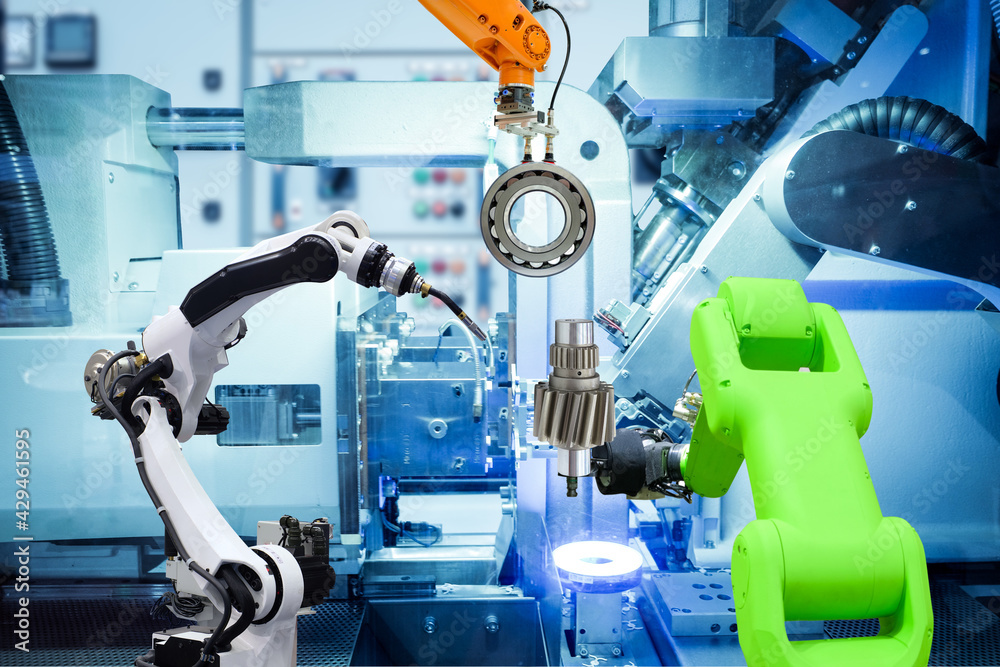
Africa is entering a new era of engineering, one where machines can think, devices can communicate, and technology can solve problems in ways that were once unimaginable. At the heart of this transformation are Robotics and the Internet of Things (IoT).
From smart farms and automated factories to healthcare devices and intelligent transportation systems, Robotics and IoT are creating opportunities for African engineers to design solutions specifically for African challenges.
What Are Robotics and IoT?
Robotics combines engineering, electronics, programming and artificial intelligence to create machines that can perform tasks, assist humans or operate autonomously.
IoT, or the Internet of Things, connects physical devices to the internet so they can collect, exchange and respond to data. A smart irrigation system, for example, can use sensors to monitor soil moisture and automatically determine when crops need water.
Together, these technologies can transform how Africa produces, moves, builds and delivers services.
Why Does It Matter for Africa?
Africa has unique challenges and enormous opportunities. Agriculture, healthcare, energy, transportation, manufacturing and education all require innovative solutions.
Imagine farms using sensors to reduce water waste. Imagine factories using robotic systems to improve production and safety. Imagine hospitals monitoring patients remotely using connected medical devices. Imagine cities using smart systems to manage traffic, energy and public infrastructure.
These are not simply futuristic ideas. They are areas where African engineers, entrepreneurs and technology professionals can make a real difference.
The Opportunity for Young Africans
The future of African engineering will not only belong to people who understand traditional engineering. It will increasingly belong to those who can combine engineering with coding, electronics, data, AI and problem-solving.
Young people can begin with simple projects, Arduino boards, sensors, microcontrollers and basic programming and gradually develop more advanced robotics and IoT systems.
This is why practical technology education is so important. Students should not only learn how technology works; they should learn how to build with it and apply it to real-world problems.
Building Africa's Future
Robotics and IoT can help Africa move from being primarily a consumer of technology to becoming a creator of technology.
But technology alone will not transform the continent. We need skilled young people, innovative schools, supportive policies, investment, research institutions and businesses willing to experiment and build.
At Schoolville, we believe the journey starts with curiosity.
Give a young person the opportunity to build a robot, program a sensor or create a smart device, and you are doing more than teaching technology, you are helping them see themselves as engineers, inventors and problem-solvers.
Africa's engineering future is being built today. The question is: who will build it?
Schoolville
Learn. Create. Innovate.


